New patient orientation: Your guide to starting GLP-1 medications
Everything you need for a confident start on your GLP-1. Watch the new patient orientation Before your first injection, spend a few minutes with our…
Suggested Links
*Compounded medications are not FDA-approved and are not reviewed by the FDA for safety, effectiveness, or quality. Compounded GLP-1 medications are prescribed only when a licensed healthcare provider determines, based on an individual patient’s medical needs, that an FDA-approved drug is not appropriate or that a clinically significant difference exists, such as dosage form, strength, or excipient composition. All medications are prescribed based on an individual patient evaluation by a licensed healthcare provider. Compounded GLP-1 medications are not generic versions of FDA-approved drugs and are not intended to be substitutes for FDA-approved products. They differ in formulation and are prescribed only pursuant to an individualized medical determination by a licensed healthcare provider. Compounded medications are prepared by state-licensed pharmacies or FDA-registered outsourcing facilities, as applicable. FDA registration of the facility does not constitute FDA approval or endorsement of any compounded medication. Wegovy®, Zepbound®, and Mounjaro® are registered trademarks of their respective owners. We do not claim affiliation with or endorsement by these manufacturers.
Compounded medications are only indicated for patients when a prescribing practitioner determines that the compounded preparation produces a significant difference for their patient compared to the FDA-approved product. Compounded medications are not reviewed by the FDA for safety, efficacy, or quality. Zepbound® is a registered trademark of Eli Lilly. We do not claim affiliation with or endorsement by Eli Lilly. Wegovy® is a registered trademark of Novo Nordisk. We do not claim affiliation with or endorsement by Novo Nordisk.
Get the latest weight loss blog resources for GLP-1 news, articles, and expert tips and tricks.
Everything you need for a confident start on your GLP-1. Watch the new patient orientation Before your first injection, spend a few minutes with our…
May is Women’s Health Month and for many of us, it’s a reminder to pay closer attention to our bodies. But once you start to…
Webinar Summary GLP-1 medications are a class of injectable drugs that mimic hormones your body naturally produces to regulate appetite, blood sugar, and digestion. They…
William Yi, MD OrderlyMeds Medical Expert In this clip from our GLP-1 Side Effects webinar, Dr. Yi explains why nausea is a common side effect…
Starting a GLP-1 medication? Our quick-reference Side Effect Tips + Tricks guide offers simple ways to manage common symptoms like nausea, burping, and heartburn. Inside,…
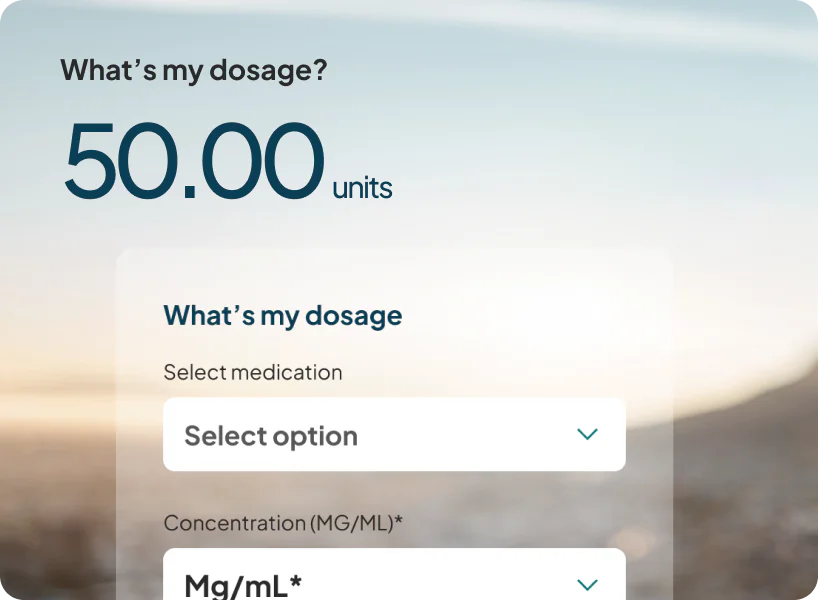
Dr. April Foster OrderlyMeds Medical Provider Watch Dr. April Foster explain medication units and how to measure them on your syringe. Scroll below the video…
Check your eligibility by answering a few simple questions, 100% online. Get a recommendation for a GLP-1 that can meet your needs.
Stay accountable with support from other members


Join daily discussions with 22,000+ GLP-1 patients.

Up-front prices with flexible plan options. Never pay membership fees.

Attend a doctor-led webinars, talk to a nutritionist, or get a free workout plan built for your needs.

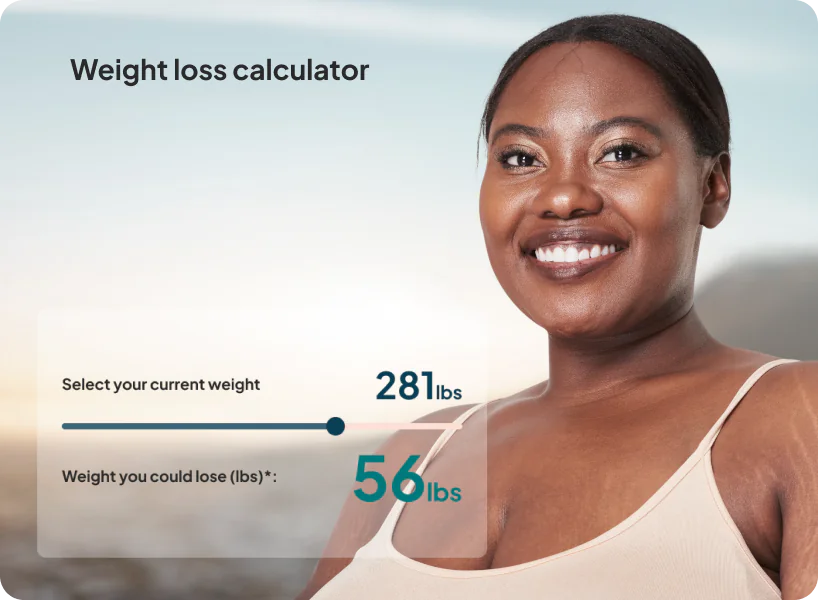
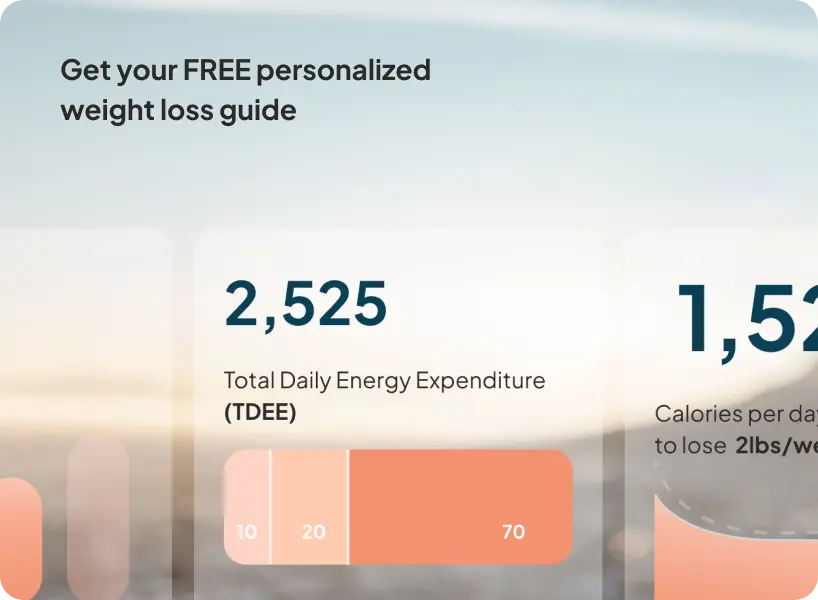
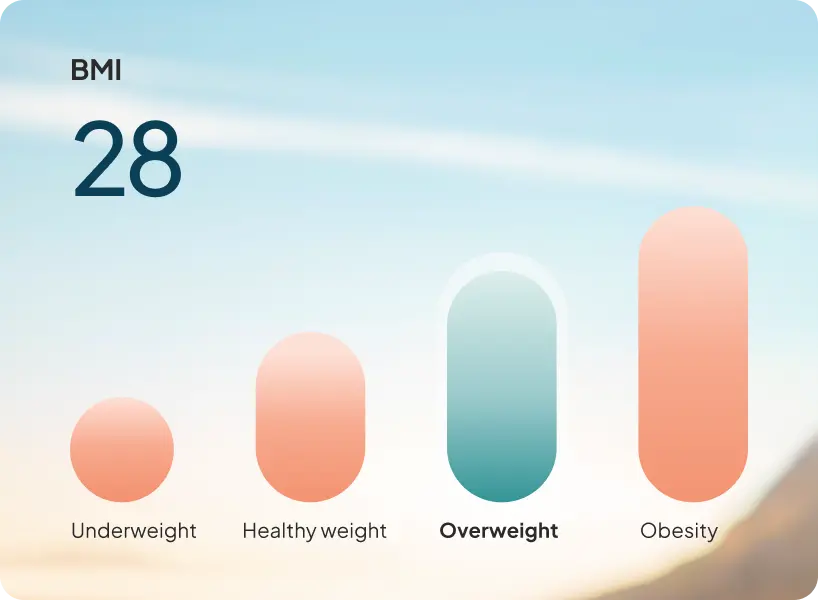
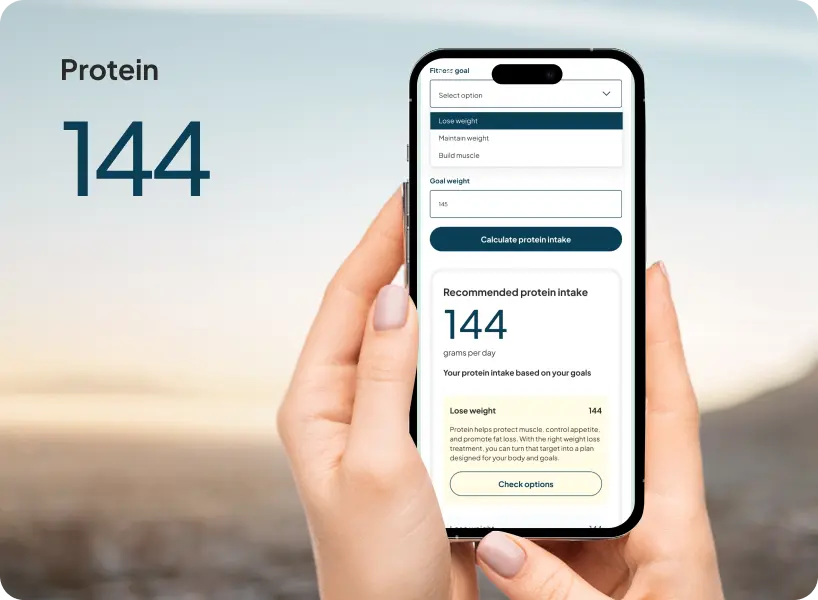
Understand your GLP-1 weight-loss potential, and get tailored daily calorie and protein targets in one quick calculation.
125 k
OrderlyMeds customers that reported weight loss with us *
1M+
Total pounds lost by OrderlyMeds customers *
15lbs
Average weight loss experienced on our starter plan *
*Based on OrderlyMeds customer data collected from January 1, 2024 – October 31, 2025.
We love hearing your stories. Celebrate your own success and leave us a review now.
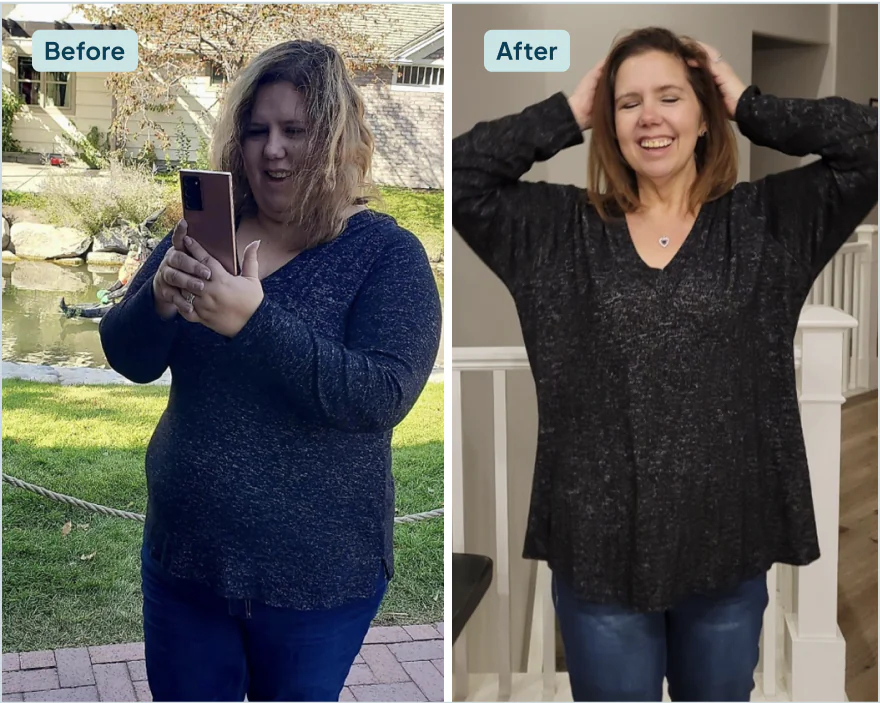
Lost over60lbs
*Personal results may vary based on our individualized health programs.
Precindia Hansen Parks
Tonight I did a closet purge. I can’t believe how big this top is on me now. This last year, I have gone from a size 18 to a size 4. Don’t give up, guys. Trust the process. You got this!
Lost over60lbs
*Personal results may vary based on our individualized health programs.
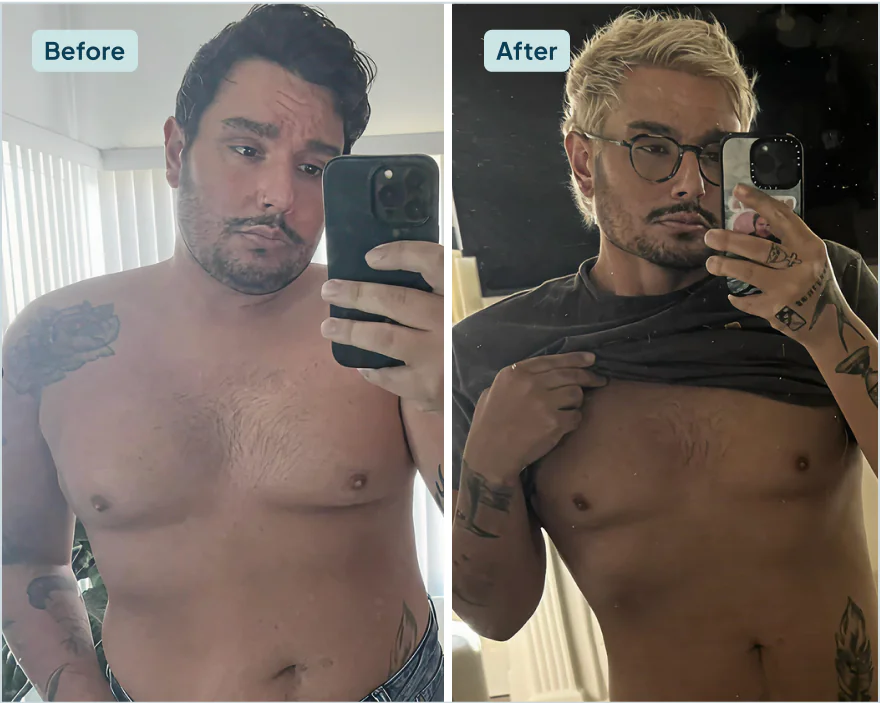
Lost over60lbs
*Personal results may vary based on our individualized health programs.
Mattison McGee
This is genuinely a miracle drug. I’ve become so much more confident and myself, in just 8 months on Tirzepatide. Really a life changing decision.
Lost over60lbs
*Personal results may vary based on our individualized health programs.
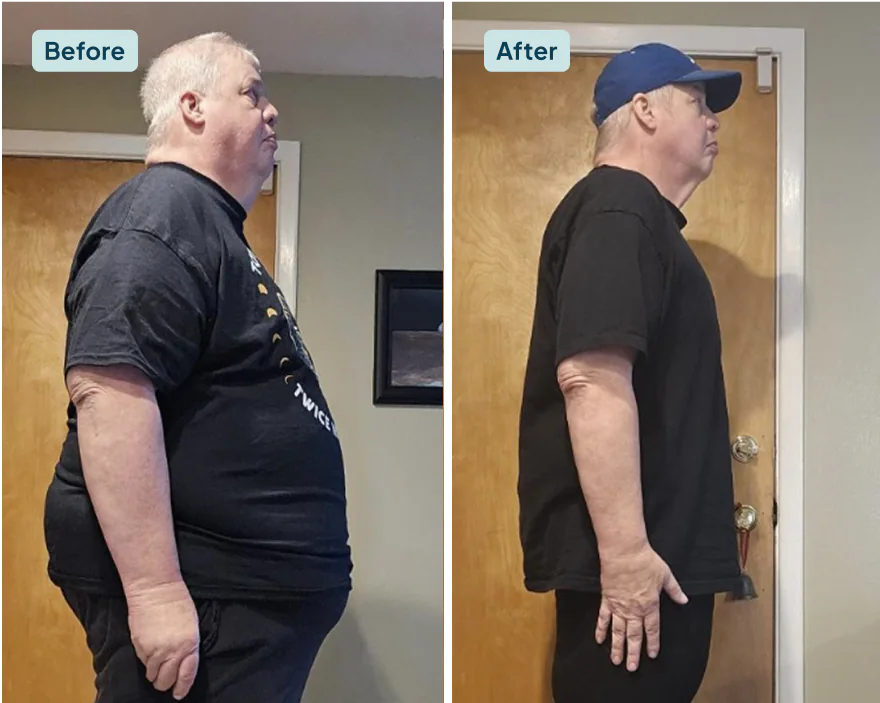
Lost over170lbs
*Personal results may vary based on our individualized health programs.
Mark Clements
I didn’t start exercising till I was down 100lbs but I have been going to the gym 4 times a week since august and riding my my bike at home 6 miles a day. I feel great ,legs and knees don’t hurt anymore I still have a long way to go but I am really looking forward to this next year. This medicine has changed my life it works give it time, take the shot. Here are my anniversary pictures .
Lost over170lbs
*Personal results may vary based on our individualized health programs.